Resource Center
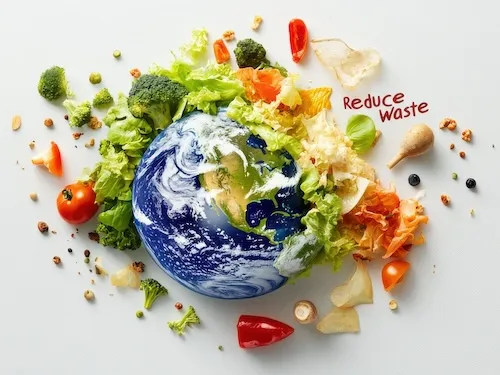
California’s SB 1383 establishes statewide requirements to reduce organic waste disposal and lower methane emissions. Landfilled food and other organic waste rotting in landfills emits methane climate pollution contributing to California’s hotter summers, more frequent droughts, and more wildfires. EDCO is committed to helping residents and businesses stay compliant while protecting our communities and natural resources.
1. Proper Sorting Requirements
SB 1383 requires all residents and businesses to separate organic waste — including food scraps, food-soiled paper, and yard trimmings — from other trash and recycling. Properly sorting your materials helps your community meet state requirements and keeps valuable organics out of the landfill.
- Green Container (Organics): Food scraps, food-soiled paper, yard trimmings
- Blue Container (Recycling): Paper, cardboard, glass, metal, and accepted plastics
- Gray Container (Landfill): Non-recyclable and non-compostable materials
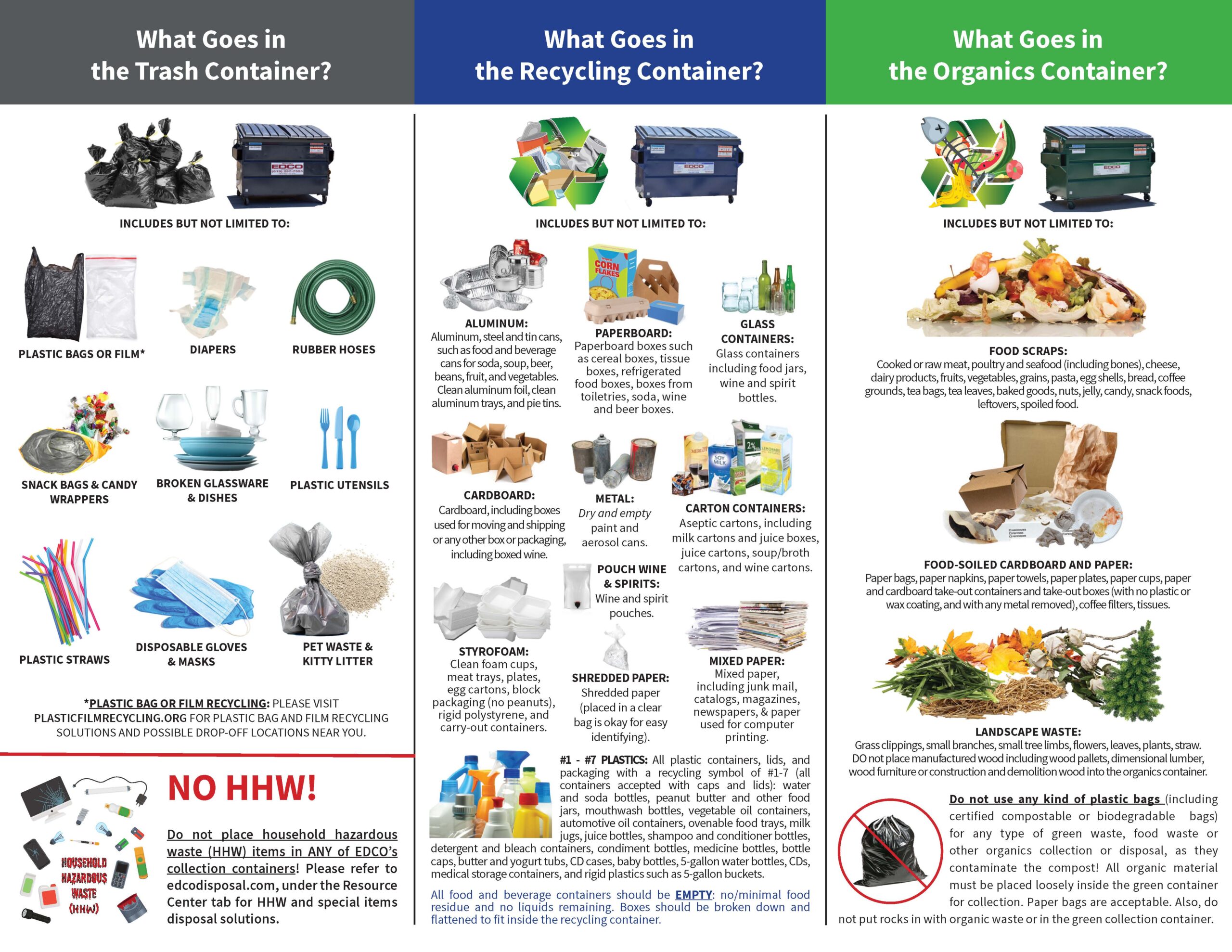
Proper sorting is required by SB 1383 and ensures materials are processed correctly at recycling and composting facilities.
2. Methods for Managing Organic Waste
The best way to manage organic waste is to generate less of it in the first place. We encourage all residents and businesses to explore the following options for preventing and recovering organic waste before it ever reaches the curb.
-
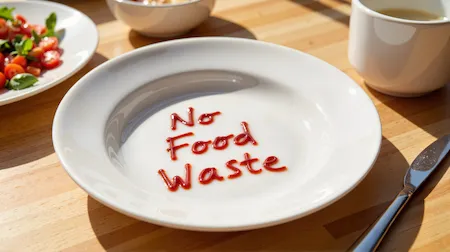 Prevention of Organic Waste Generation:
Preventing organic waste starts with reducing what is thrown away. This includes purchasing only what is needed, properly storing food to extend shelf life, planning meals to reduce spoilage, and donating surplus edible food when possible. These practices help reduce waste before it is created.
Click here for tips on food waste prevention.
-
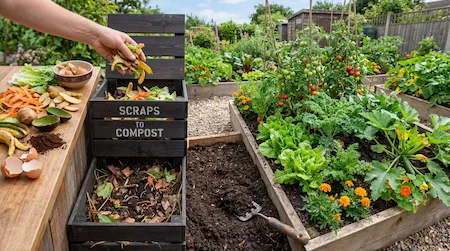 Recycling Organic Waste On-Site:
Organic waste may be recycled at the location where it is generated through backyard composting, on-site composting and vermicomposting (worm bins), and properly separating food scraps and yard waste for composting. These practices help convert organic materials into compost or soil amendments while reducing landfill disposal.
Backyard composting and vermicomposting are simple, low-cost ways to turn food scraps and yard trimmings into nutrient-rich compost for your garden. Home composting and vermicomposting is encouraged and is nature’s way of recycling.
Click here to learn how to start your own home composting system.
-
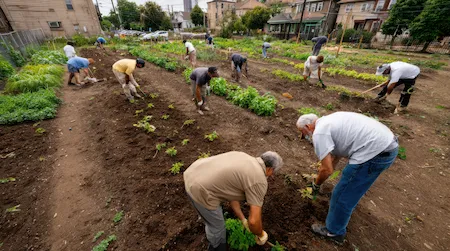 Community Composting:
Community composting programs provide opportunities to recycle organic waste through local, shared composting efforts operated by community organizations or local partners. These programs offer an additional option for diverting organic materials from landfill disposal.
Customers interested in community composting should contact their local jurisdiction or visit their city’s website to determine what programs or resources may be available in their area.
- Local Requirements:
Customers must comply with all applicable local jurisdiction requirements related to organic waste separation, collection participation, contamination standards, and program participation. Customers should visit their city’s website for additional information.
3. Methane Reduction & Organic Waste Recovery
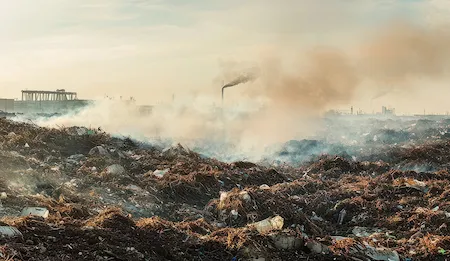
Reducing the amount of organic waste sent to landfill helps lower greenhouse gas emissions. When organic materials such as food scraps and yard waste are placed in landfills, they break down and produce methane, a greenhouse gas that contributes to climate change.
By keeping organic waste out of landfills, SB 1383 supports significant reductions in methane emissions and helps protect the environment.
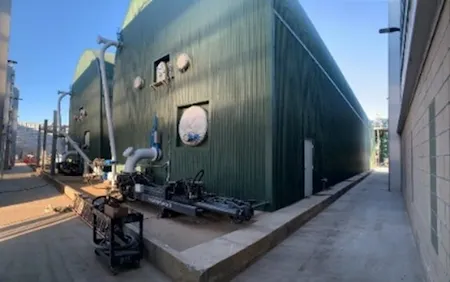
EDCO’s organic waste collection programs recover materials through one of the following methods:
- Composting: Organic waste is processed into compost that can be used to support healthy soils and landscaping or other beneficial uses.
- Anaerobic Digestion: Organic waste is processed at EDCO’s anaerobic digestion facility and converted into renewable natural gas to power our collection fleet.
These recovery methods turn organic waste into useful resources while reducing landfill disposal and supporting California’s environmental goals.
4. Organic Waste Recovery & Approved Hauler
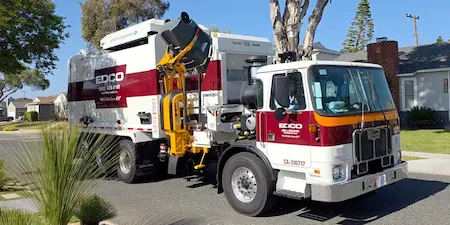
Organic waste must be properly collected and transported to approved facilities for recovery in accordance with SB 1383 requirements. Residents and businesses play an important role by placing organic materials in the green organics container and using EDCO’s collection services.
Organic waste placed in the green container is collected by EDCO and transported to approved processing facilities where it is diverted from landfill and recovered through composting or anaerobic digestion.
SB 1383 requires that organic waste collection services be provided by an approved and authorized hauler. As the exclusive franchised hauler within its service areas, EDCO is fully authorized to provide compliant collection services that meet all SB 1383 requirements.
5. Public Health, Safety & Environmental Impacts of Landfill Disposal
When organic materials decompose in landfills without oxygen, they produce methane — a greenhouse gas that drives climate change and creates other environmental and public health harms. Landfill disposal of organic waste can also result in:
- Increased emissions contributing to climate change.
- Nuisance conditions such as odors and attraction of pests.
- Potential impacts to air, soil, and water quality.
- Reduced landfill capacity over time.

Properly sorting and recovering your organic waste is one of the most impactful actions an individual resident or business can take to reduce these harms.
6. Edible Food Recovery Programs (SB 1383)
Before food becomes waste, there is an opportunity to redirect it to people in need. California law requires that edible food — food that is safe for human consumption — be recovered and donated rather than thrown away. SB 1383 requires certain commercial businesses — known as Tier 1 and Tier 2 edible food generators — to arrange for the recovery of surplus edible food that would otherwise be disposed of.
Tier 1 Generators (requirements began January 1, 2022) include:
- Supermarkets and grocery stores
- Food service distributors
- Food wholesalers and distributors
- Large venues and large events
- Hotels with on-site food facilities
Tier 2 Generators (requirements began January 1, 2024) include:
- Restaurants with 250 or more seats or 5,000+ square feet
- Hotels with on-site food facilities and 200 or more rooms
- Health facilities with on-site food facilities and 100 or more beds
- Large venues and events (if not already covered under Tier 1)
- State agencies with on-site food facilities

Tier 1 and Tier 2 generators must:
- Arrange to recover the maximum amount of edible food that would otherwise be disposed of.
- Contract with and establish a written agreement with a food recovery organization or food recovery service.
- Keep records of food recovery activities
To find the right food recovery partner and confirm local program requirements, businesses should connect with their local jurisdiction. A list of food recovery organizations and services operating within your city is maintained by your local jurisdiction and is available on their website.
7. Self-Hauling Requirements (If Applicable)

If allowed by your city, generators may self-haul their own organic waste instead of using EDCO's collection service. Self-hauling is subject to jurisdiction approval and must comply with SB 1383 requirements. Generators should contact their local jurisdiction or EDCO before self-hauling to confirm whether it is permitted and to understand applicable local rules.
Commercial Self-Haulers
Commercial businesses that self-haul organic waste must:
- Source separate all organic waste on site, keeping it separate from recyclables and landfill waste.
- Transport organic waste only to a facility, operation, or property that is authorized to process or recover source separated organic waste.
- Maintain records of the amount of organic waste delivered to each facility, including weight tickets or receipts where scales are available, and the name and location of each facility used.
These records are subject to inspection by the local jurisdiction and must be retained for five years.
